Tank vs. Tankless Water Heater: Which Is Better for Johnson County Homes?
Trying to decide between a traditional tank and a tankless water heater for your Johnson County home? You are not alone. Homeowners across Shawnee, Lenexa, and Overland Park want steady hot water, smart energy use, and equipment that fits their space. This guide compares how each system works, what to expect for operating costs, venting, lifespan, and which one is likely to fit your routine. If you want a deeper dive or you are ready to plan an upgrade, explore our tankless water heater services to see how Griffin Plumbing Services sizes and installs systems for local homes.
How Each System Works in Johnson County Homes
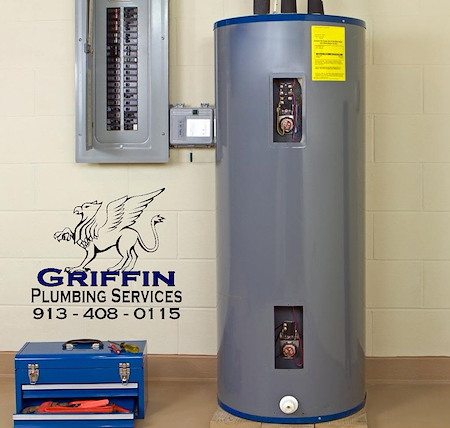
A tank water heater stores and reheats a large volume of water so hot water is ready when you turn on a tap. It is simple and familiar, but it also uses energy to keep that water hot even when you are not using it.
A tankless water heater heats water only when a faucet or shower is on. Cold water flows through a heat exchanger, the unit fires, and hot water arrives within seconds. There is no standby tank, which can reduce wasted energy and free up floor space in a basement or garage common along Shawnee Mission Parkway or near Old Shawnee Town.
Operating Cost Comparison for Our Area
Monthly energy use depends on family size, fuel type, and habits. Tank systems often have higher standby losses because they keep a reservoir hot all day. Tankless models fire only when you call for hot water, which can lower energy use for many households. The biggest wins show up when the unit is sized correctly and maintained against mineral scale. In larger homes with long pipe runs, pairing a tankless unit with a recirculation setup can trim wasted run time while keeping wait times reasonable.
What matters most is fit. A small condo with one bath may see modest savings. A busy household that staggers showers, laundry, and dishes throughout the day can see stronger benefits if the system is sized for peak flow and temperature rise. For a straightforward side-by-side explanation of tankless ownership in our county, skim our local guide, tankless water heater services in Shawnee, KS: what homeowners should know.
Venting Requirements and Placement
Venting is one of the bigger differences homeowners notice during planning. Traditional gas tanks may use metal B‑vent through the roof or a power‑vented sidewall discharge. Most modern condensing tankless systems vent with PVC or similar materials through a nearby sidewall, which can simplify routing in some layouts.
- Tank water heaters typically need vertical or power venting and enough space around the unit for airflow and service access.
- Tankless units usually mount on a wall. They need proper clearance, combustion air, and a short, safe vent path to the outdoors. High‑efficiency units also need a condensate drain.
Never DIY gas, venting, or electrical work. Safe operation depends on correct pipe sizing, approved materials, and clearances that vary by model and home layout. Our team handles those details during a professional review and can coordinate any updates as part of water heater installation and repair.
Lifespan, Maintenance, and Warranty Considerations
Most tank models serve about a decade when maintained well. Tankless units are built for a longer service life, often lasting many more years with routine care. Hard water in Johnson County can shorten life for both types if scale is ignored, but tankless heat exchangers especially benefit from periodic flushing.
To keep your system in shape, schedule annual service for a check of combustion quality, filters, and any scale buildup. This simple habit protects performance and helps keep warranty coverage in good standing. For a quick reference you can save, see our water heater annual checklist.
Space, Capacity, and Household Fit
Think about your family’s peak demand. Do you often run two showers and the dishwasher at the same time? A properly sized tank can ride through short peaks using stored hot water. A properly sized tankless meets that same peak with the right flow rate at the right temperature rise.
- Size by need, not just by number of bathrooms. Consider the number of fixtures that run at once and their flow rates.
- In compact homes and townhomes near Monticello or Woodland, wall‑mounted tankless units free up floor space for storage or a workbench.
- In larger homes in western Shawnee, a tankless with recirculation cuts wait times to distant baths without cycling a big tank all day.
Local tip: Winter cold snaps in Johnson County lower incoming water temperature. That means your heater has to work harder to hit your set point. Ask us to check sizing and recirculation settings before the first hard freeze, and consider water‑quality protection if your home has mineral‑heavy supply.
Pros and Cons at a Glance
Both technologies can provide safe, reliable hot water when sized and installed well. Here is a simple way to compare.
- Tank: Simple, proven, and often easier to replace in the same spot. Needs more floor space and uses energy to keep water hot when you are not using it.
- Tankless: Compact and efficient on demand with virtually endless hot water within its flow capacity. Requires correct gas or electric supply, proper venting, and regular descaling to maintain performance.
What Johnson County Homes Should Consider First
Start with how you live. If mornings are a rush with back‑to‑back showers and laundry tumbling, a right‑sized tankless can keep up without running out. If you prefer straightforward replacements and have the space, a tank may meet expectations with minimal changes. Many families choose tankless for energy savings, space, and convenience. Others stick with tank for simplicity.
When you are ready to weigh your choices, it helps to walk through your floor plan, fixture count, and preferred water temperature together. We often recommend a short in‑home review to map vent routes, confirm power or gas availability, and measure the temperature rise from winter water to your preferred set point. That way you avoid trial and error and get steady comfort the first time.
Water Quality, Scale, and Recirculation
Mineral content varies across Shawnee, Lenexa, and Olathe, and many homes face deposits that can slow heat transfer. A quick flush removes scale inside tanks and tankless heat exchangers. Some households add point‑of‑entry filtration to protect fixtures, valves, and the water heater itself. If water taste or hardness has been a pain point in your home, take a look at our water purification and filters options that pair well with modern water heaters.
Real‑World Scenarios We See Around Shawnee
Here are common use cases that help clarify the decision for Johnson County homes:
- Busy families in neighborhoods off Johnson Drive want steady hot water for morning routines. A properly sized tankless helps avoid cold‑shower surprises when two or three fixtures run at once.
- Older basements near Old Shawnee Town are tight on floor space. Wall‑mounting a tankless unit opens room for storage without sacrificing comfort.
- Homes near Lake Quivira or western Shawnee have long pipe runs. A tankless with recirculation reduces wait time and trims water waste.
- Rarely used guest suites or workshops benefit from a dedicated tankless unit that heats only when needed.
Safety, Codes, and Professional Planning
Every installation must match the unit to the home’s fuel supply, venting path, and clearances. Do not attempt adjustments to gas lines or venting. Permits and inspections may apply and the details vary by jurisdiction and model. Our licensed team handles planning, installation, and testing so you get quiet, reliable operation and peace of mind.
Ready To Choose With Confidence?
If you are early in research, a good starting point is learning how we size and support tankless water heaters for local homes. If you prefer a traditional replacement or need service on your current system, our crew is ready to help with water heater installation and repair across Johnson County.
For an overview of options, key questions, and what to expect during a professional visit, check out our local article on tankless water heater services in Shawnee, KS. You can also explore tankless water heaters in Shawnee, KS on our main site to see how Griffin Plumbing Services supports sizing, venting, and maintenance from day one.
Talk With a Local Pro Today
Choosing between a tank and a tankless water heater comes down to the way your household uses hot water and the limits of your current utilities. A quick in‑home review answers those questions fast and helps you plan the right upgrade the first time. Call 913-408-0115 to schedule a visit with Griffin Plumbing Services, or start with our page on tankless water heater services to see how we tailor installs for Johnson County homes.
Providing You With The Best Plumbing Services in Shawnee & Surrounding Areas