
The Essential Guide to Water Heater Maintenance

September 26th, 2023
A hot shower on a chilly morning, warm water for your dishes, and clean clothes from a hot laundry cycle—your water heater plays an indispensable role in your daily life. But like all appliances, water heaters require regular care to ensure they function efficiently and have a long lifespan. In this blog post, we'll walk you through the essential steps of water heater maintenance, helping you avoid unexpected breakdowns and maximize energy efficiency.
1. Routine Inspection
The first step in water heater maintenance is regular inspection. Keep an eye out for any signs of trouble, such as leaks, rust, or unusual noises. Pay attention to the following areas:
- **Pressure Relief Valve (PRV):** Check for any leaks or corrosion around the PRV.
- **Temperature and Pressure (T&P) Relief Valve:** This valve should also be inspected for leaks or signs of damage.
- **Water Leaks:** Look for any moisture or pooling water around the base of the water heater. Even small leaks can be indicative of a larger problem.
2. Flushing the Tank

Over time, sediment can accumulate at the bottom of the tank, reducing heating efficiency and potentially damaging the tank. Flushing the tank annually is crucial for preventing this buildup. Here's how to do it:
- Turn off the power to the water heater (electricity or gas).
- Connect a garden hose to the drain valve at the bottom of the tank.
- Open the nearest hot water tap in your home to allow air into the tank, which will help with draining.
- Open the drain valve and let the water run into a floor drain until it runs clear. This may take several minutes.
- Close the drain valve, remove the hose, and turn on the water supply and power.
3. Adjusting the Temperature
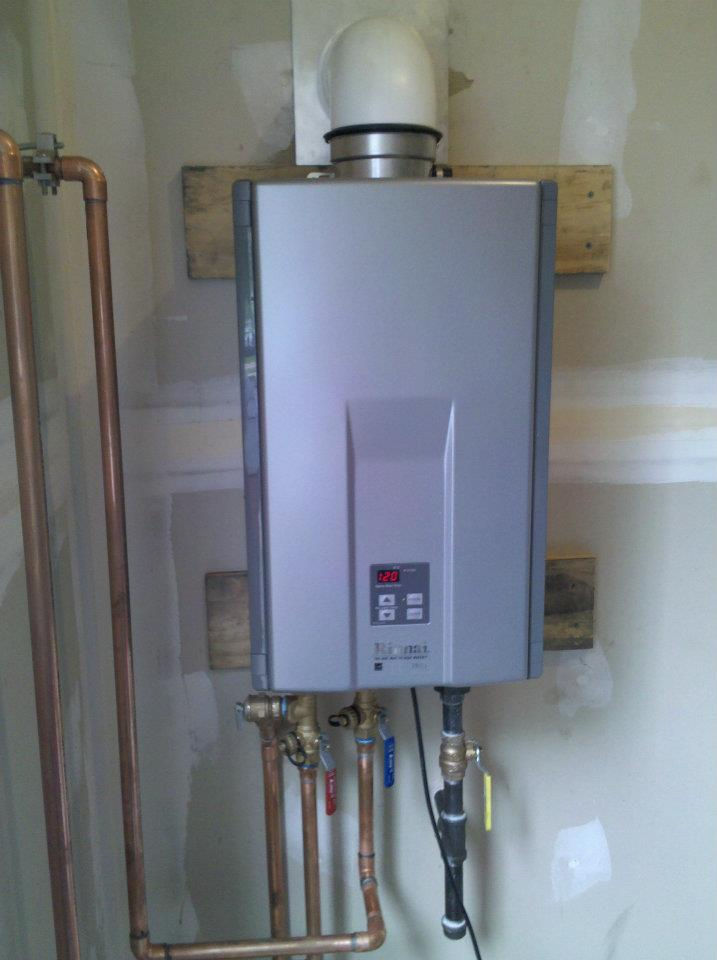
Most water heaters allow you to adjust the temperature. Setting it too high can not only scald you but also waste energy. Aim for a temperature of around 120 degrees Fahrenheit (49 degrees Celsius) for safety and efficiency.
4. Insulating Your Tank
Insulating your water heater tank and pipes can help conserve energy, particularly if your water heater is located in an unheated space. Use insulation blankets for the tank and foam pipe insulation for exposed pipes.
5. Regular Professional Maintenance
While DIY maintenance is essential, professional servicing is equally crucial. Hiring a licensed plumber or technician for an annual checkup can uncover hidden issues, extend the water heater's life, and ensure it operates safely and efficiently.
Conclusion
Regular water heater maintenance is a small investment that can save you money in the long run, improve energy efficiency, and ensure the uninterrupted flow of hot water in your home. By following these steps and staying vigilant, you can enjoy the benefits of a well-maintained water heater for years to come. Remember, when in doubt, consult a professional to ensure the safety and reliability of your water heater. Call Griffin Plumbing today for a water heater checkup and flush!


Comments